
Catch the Next Bus to Breathing Room
Step from city noise onto a bus and into birdsong without booking days off or burning a tank of fuel. We explore bus-linked nature reserves for easy urban escapes, showing how frequent routes, short walks from stops, and simple planning can swap concrete for canopies in a single morning. Expect practical tips, uplifting stories, and gentle nudges to slow down, listen to wind in leaves, and return home lighter, clearer, and ready to share your favorite green ride.


Why the Bus Beats the Car on the Way to Quiet
Buses transform a spontaneous craving for pine air into a doable afternoon, no parking app required. They glide past traffic stress, drop you near trailheads, and let you watch neighborhoods soften into wetlands and woods. Your mind unwinds before your boots even touch dust. The ride itself becomes part of the decompression, a moving threshold where you hydrate, read a short poem, check a map, then step out ready to meet the wind without asphalt worries.
Plan a Seamless City-to-Trail Journey
A little prep makes the ride-to-reserve transition graceful. Check headways, last departures, and any seasonal detours. Screenshot maps because reception fades among reeds and ravines. Pack water, layers, and a snack that won’t crumble into litter. Save the stop number and note landmarks for the return. With a light, deliberate kit and a calm timeline, you can linger at overlooks without clock anxiety, then stroll back with time to spare for a sunset window seat.
Look up the line numbers serving your chosen reserve, then note weekday and weekend frequencies. Add buffer for connections and construction. Where multiple routes converge, choose the most frequent for flexibility. If a short walk bridges the last stretch, trace it on satellite imagery and street view. Jot down the stop’s formal name to avoid confusion with similarly named parks. A smooth rhythm emerges when you understand both the bus cadence and your walking pace.
A small daypack holds more ease than you’d expect: refillable bottle, compact rain shell, sunscreen, a charged phone, paper map, and a modest first-aid pouch. Wear broken-in shoes and breathable layers that work on buses and breezy ridgelines. Keep snacks tidy and wildlife-safe. A sit pad or scarf upgrades any log into a lounge. Traveling light means you float from seat to trail and back again without jangling zippers or nagging weight pulling attention from dragonflies.
Mark the bus stop drop-off and reserve entrance as separate pins, then draw a short walking line between them. Notice crosswalks, shade, and any steep bits. Download offline basemaps before you depart. Some agencies publish trailhead icons on system maps; take screenshots. If signs fade into dusk, a tiny headlamp prevents stumbles on roots. Friendly wayfinding builds confidence, turning the unknown into a gentle puzzle where every correct turn rewards you with stiller air and softer light.


Real Riders, Real Green Getaways
Stories are timetables for the heart. A barista clocked out at noon, caught the next crosstown route, and ate strawberries beside reeds before the afternoon rush. A retiree maps wildflowers every Saturday via the same driver’s cheerful nod. A new parent found a stroller-friendly loop where frogs sing over bus brakes in the distance. These small chronicles prove that even short windows can widen into restorative horizons when the journey itself is kind and predictable.
Respect the Wild, Share the Ride
Low-Impact Habits Start at the Stop
Even before the trail, choices matter. Queue calmly, keep poles capped, and avoid blocking doors with bulky packs. When you step off, stay on sidewalks or marked verges rather than trampling verge flowers. Use established gates, not fences, and close latches mindfully. Small courtesies create a smooth chain from curb to creek, reminding everyone that an easy escape doesn’t mean careless footsteps. The attitude you bring at the stop becomes the gentleness you leave on moss.
Trails Are Not Trash Cans
Carry a spare bag and treat errant bits of litter as invitations to improve your route. Orange peels and nut shells do not belong under ferns; they disrupt soils and wildlife behavior. Micro-trash hides in root tangles, so scan carefully at rests. If bins overflow, pack out with pride. Share photos of clean-up wins to normalize stewardship. When bus-linked escapes build cleanup habits, entire corridors sparkle—from shelter benches to boardwalk rails—multiplying the peace you came to find.
Buses, Buddies, and Boundaries
Travel companions add laughter, but boundaries protect serenity. Agree on talking volume, pace, and trail etiquette before stepping off the bus. If splitting, set clear rendezvous times and the exact return stop. Onboard, keep gear compact so neighbors relax. In the reserve, let wildlife define the schedule, not your playlist. Boundaries make space for spontaneous wonder: the hush before a heron lifts, the pause where a deer decides, and the gratitude that follows disciplined choices.
Accessibility That Opens the Gate
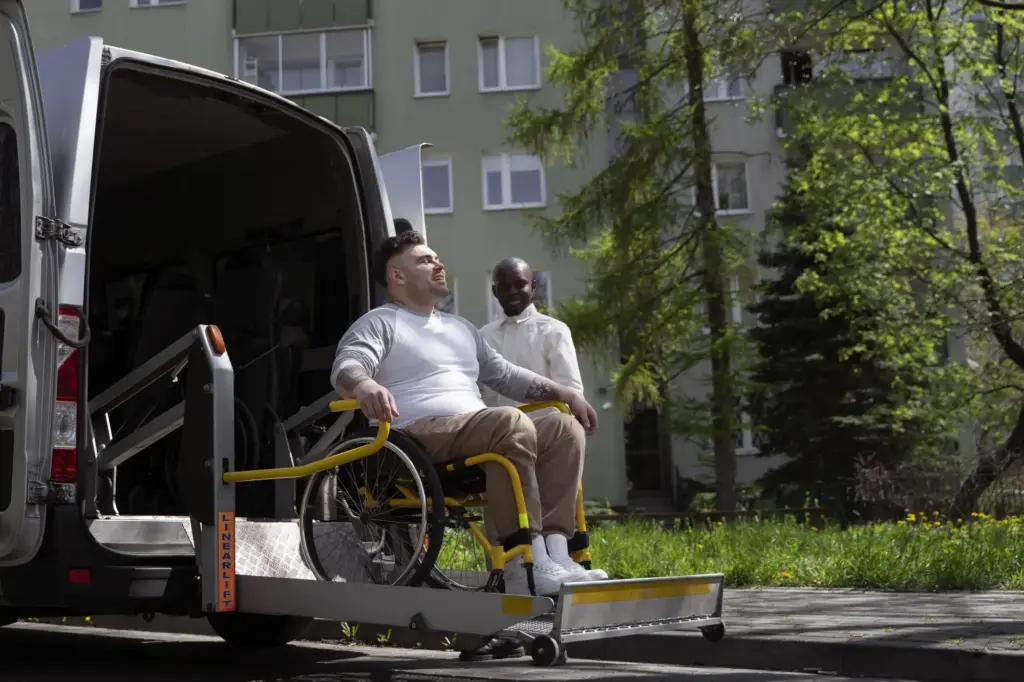
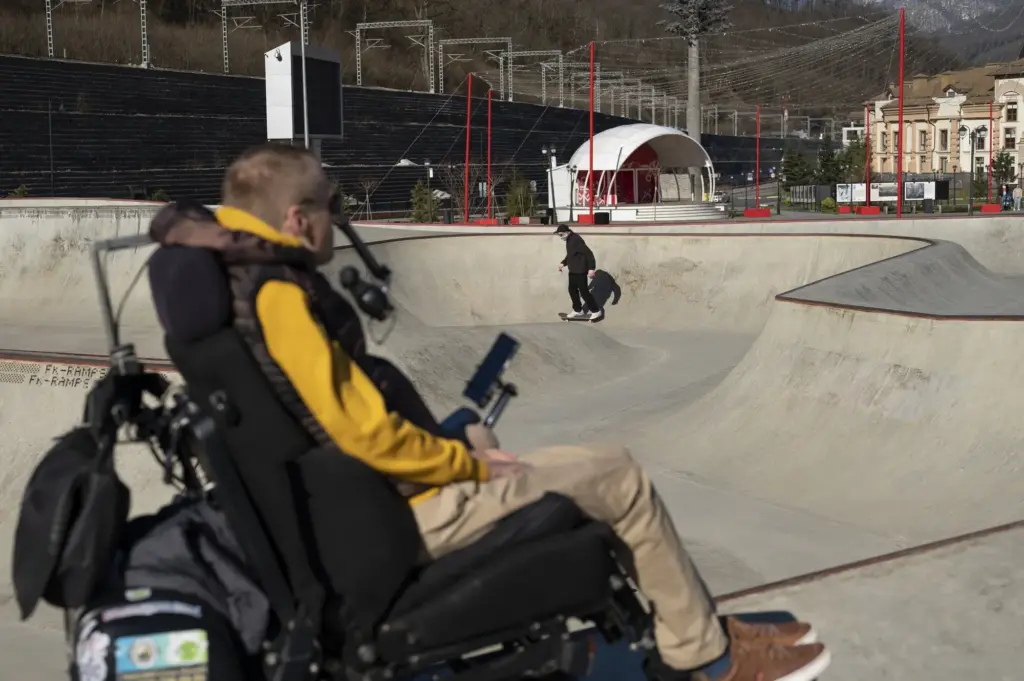
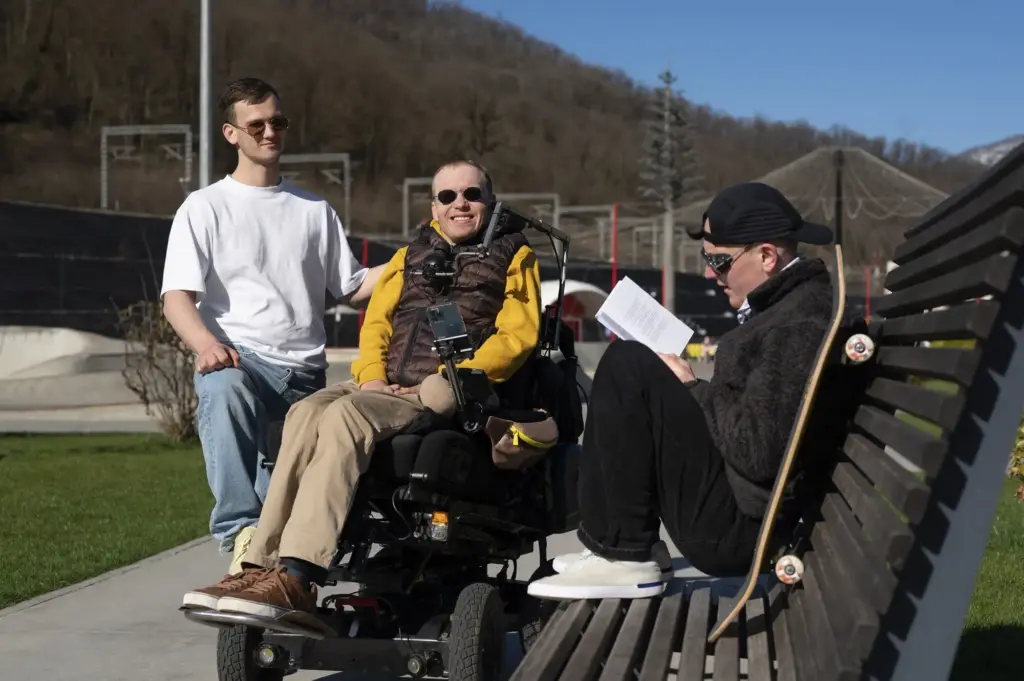
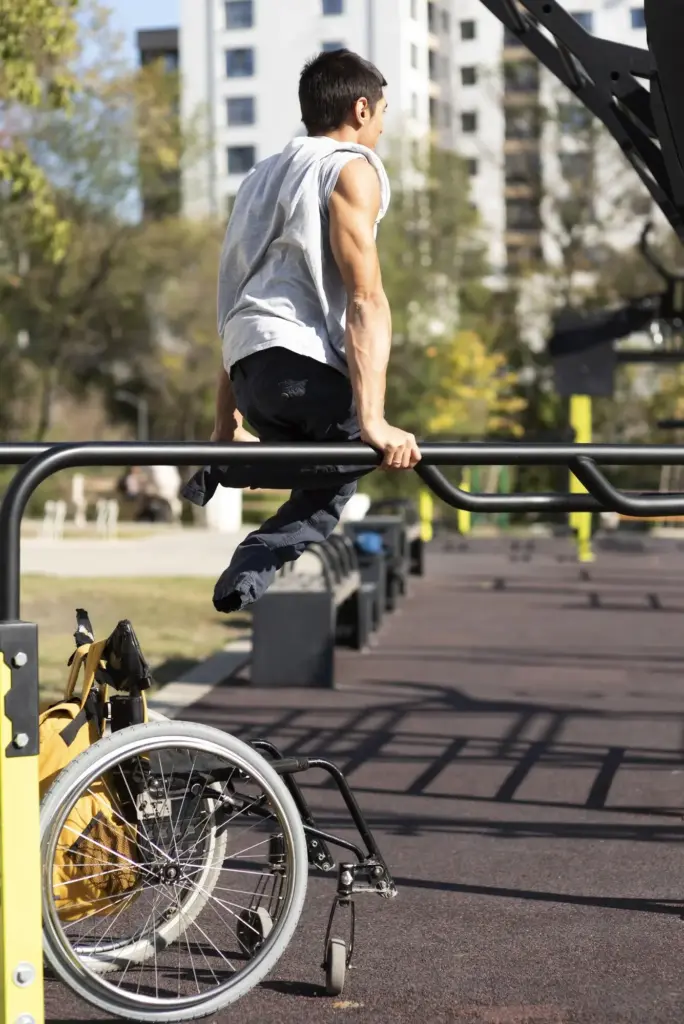
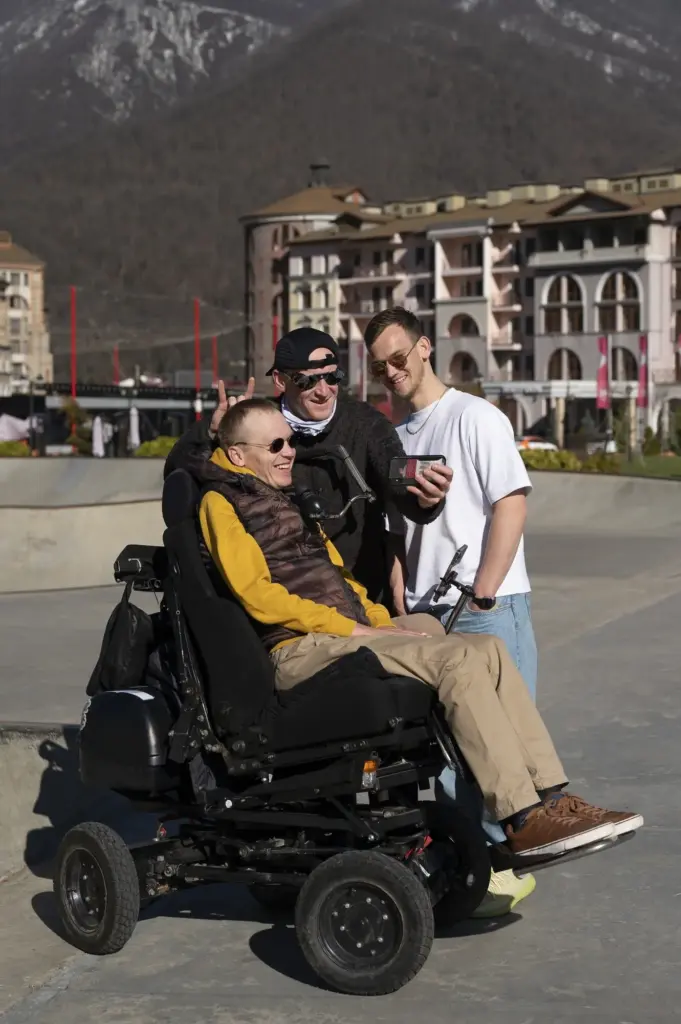
Bus-linked reserves expand access for families, elders, students, and people with mobility aids by aligning curb cuts, low-floor vehicles, and clear paths. When transit schedules meet smooth surfaces and logical signage, confidence rises for everyone. Benches near stops welcome slower steps, while loop trails provide turn-around ease. Online photos of entrances, gradient notes, and restroom details transform uncertainty into readiness. Inclusive design makes green time ordinary, not exceptional, so more neighbors can trade sirens for crickets any day.
Spring by the Window Seat
Watch neighborhoods wash greener with each stop as lilacs and new leaves unfurl like invitations. Puddles shrink, birds practice louder morning sets, and trails smell like rain meeting dust. Bring a light layer for fickle breezes, and expect boardwalks to gleam. This is a season for noticing: tiny ferns curled like question marks, salamander crossings after showers, and buses wearing a faint pollen blush. Return with a pocket of petal confetti clinging gently to your shoelaces.
Summer Shade, River Breeze
Time your ride for cooler edges of the day, then choose loops that braid forest shade with water’s balm. Pack electrolytes and a brimmed hat, and rest in dappled patches rather than open meadows at noon. The ride back becomes a floating siesta, windows cracked for cicadas and distant laughter. Seek transit-accessible lakes with lifeguards and marked bus pullouts to keep exits unrushed. You will return sun-kissed, salt-kissed, and still carrying the hush of sycamore avenues.
All Rights Reserved.